
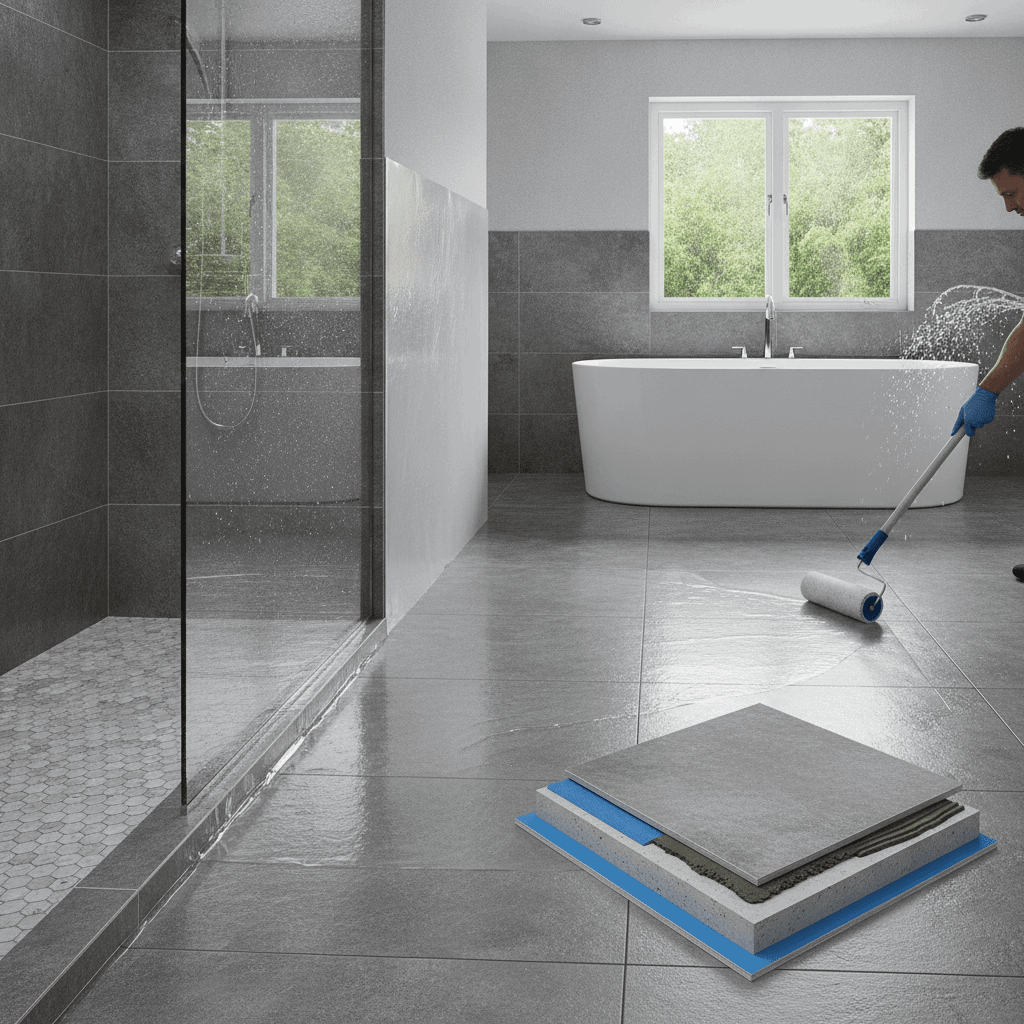
Ensure Lasting Floors in High Moisture Areas
As someone who has seen countless homes and observed various renovation projects I know that dealing with high moisture areas is a common headache for homeowners. Water can be a destructive force for many building materials. Floors in places like bathrooms kitchens and basements are constantly exposed to moisture. This exposure can quickly ruin unsuitable flooring materials.
I have often witnessed how choosing the wrong flooring leads to costly repairs and frustration. Things like warping swelling and mold growth are typical problems. It is not just about picking a pretty floor. It is about making smart choices that stand up to the unique challenges of these damp spaces.
My goal is to share practical insights that help you make informed decisions. We want to ensure lasting floors in high moisture areas. I believe that with the right materials and techniques your floors can look great and perform well for many years.
Understanding Moisture Challenges in Our Homes
Moisture is a silent but persistent enemy to many flooring types. Areas like bathrooms laundry rooms and basements are prime targets. These spaces regularly face spills humidity and sometimes even leaks. Traditional materials such as standard hardwood or laminate simply cannot withstand these conditions over time. I have seen beautiful hardwood floors warp and buckle in a bathroom because moisture seeped in from a leaky toilet or shower.
The effects of moisture are not just cosmetic. Constant dampness can lead to mold and mildew growth. This creates unhealthy indoor air quality. It also degrades the structural integrity of the flooring itself. Subfloors can suffer damage too leading to more extensive and expensive repairs. When we ignore these moisture challenges we are setting ourselves up for future problems.
Basements are particularly vulnerable because they are often below ground level. This means they are subject to groundwater pressure and higher ambient humidity. I often advise clients to think of basement flooring as needing a fortress-like defense against water. It is a different battle than what you might face in a bathroom but the stakes are just as high. Understanding these specific challenges is the first step toward a successful and durable floor installation.
Identifying Common Moisture Sources
It is important to pinpoint exactly where moisture originates in different rooms. In bathrooms it is usually from shower steam tub splashes and toilet overflows. Kitchens see frequent spills from sinks dishwashers and cooking. Laundry rooms contend with washing machine leaks and general humidity. Basements often deal with condensation water seepage through walls and pipe leaks.
I always start by assessing these potential water sources. This helps determine the level of moisture resistance needed for the flooring. A small powder room might have less intense moisture exposure than a busy family bathroom. Knowing the source and intensity of moisture helps guide material selection and installation methods. Ignoring these sources means any flooring choice is likely to fail prematurely.
Top Flooring Materials to Ensure Lasting Floors in High Moisture Areas
When it comes to high moisture areas selecting the right material is paramount. I have seen certain materials consistently outperform others in these challenging environments. The key is to choose options that are either naturally resistant to water or engineered to repel it effectively. This ensures longevity and peace of mind.
Luxury Vinyl Plank or LVP and Luxury Vinyl Tile or LVT are at the top of my list. These synthetic materials are 100% waterproof. They come in countless styles mimicking wood and stone beautifully. I find them easy to install and very durable. They do not swell or warp when exposed to water so they are an excellent choice for bathrooms kitchens and basements. Many homeowners appreciate their comfort underfoot and their simple maintenance requirements.
Another reliable option is porcelain or ceramic tile. Tile has been a go to choice for wet areas for many years and for good reason. It is inherently waterproof and extremely durable. The grout lines however need proper sealing to prevent water penetration. I always stress this point. Modern tiles offer endless design possibilities from intricate patterns to large format slabs creating stunning and functional floors. This type of flooring for wet areas is a smart investment.
Engineered hardwood can also be an option in some moisture prone areas but with careful consideration. Unlike solid hardwood engineered planks have a plywood or HDF core. This core makes them more stable and resistant to humidity fluctuations. However engineered hardwood is not fully waterproof. It can still sustain damage from standing water. I generally recommend it for areas with moderate moisture exposure like kitchens not full bathrooms unless specifically rated as waterproof by the manufacturer. You should always read the product specifications.
Considering Waterproof Laminate and Concrete
While traditional laminate is not suitable for wet areas newer waterproof laminate options are on the market. These products feature special cores and locking mechanisms that prevent water from seeping through. I find they offer a good balance of durability and aesthetic appeal. They are a cost effective way to get a wood look in a bathroom or kitchen.
Sealed concrete is another highly durable and water resistant choice especially for basements and utilitarian spaces. Concrete floors can be stained polished or treated to create a variety of looks. The key is proper sealing. A well sealed concrete floor will resist moisture stains and wear for many years. It is a robust option that I often recommend for its industrial chic aesthetic and incredible resilience.
Essential Installation Techniques for Moisture Resistance
Choosing the right material is only half the battle. Proper installation is critical to ensure lasting floors in high moisture areas. Even the most waterproof material will fail if not installed correctly. I have learned that preparation is everything. Cutting corners during installation will always lead to future problems.
The first step is always thorough subfloor preparation. The subfloor must be clean dry and level. Any imperfections will affect the final flooring and its ability to resist moisture. I inspect for existing water damage or unevenness and address these before anything else. A level and stable base is non negotiable for any successful moisture resistant flooring project.
Using a high quality vapor barrier or underlayment is also crucial. This layer acts as a shield preventing moisture from rising through the subfloor and reaching your new flooring. For concrete subfloors in basements I almost always recommend a robust vapor barrier. This is because concrete is naturally porous and can wick moisture upwards. The right underlayment also provides some sound dampening and insulation benefits.
Sealing and Acclimation Best Practices
Proper sealing is another important technique especially for tile installations. Grout lines must be sealed meticulously to prevent water infiltration. I suggest reapplying grout sealer periodically as part of your maintenance routine. This small step makes a big difference in preventing water related issues. For vinyl products ensuring a tight seam during installation is key. This prevents water from seeping under the planks or tiles.
Acclimation is often overlooked but it is vital for materials like engineered hardwood and even some laminates. Flooring materials need time to adjust to the temperature and humidity of their new environment before installation. This prevents expansion or contraction issues after installation. I advise allowing at least 48 to 72 hours for acclimation. This simple step can prevent warping or gapping which compromise the floor’s moisture resistance and appearance.
The Role of Proper Ventilation and Humidity Control
While selecting waterproof flooring is important managing the ambient environment also plays a huge role in preserving your floors. High moisture areas inherently produce more humidity. If this humidity is not controlled it can impact not only your flooring but also walls ceilings and even furniture. I always tell my clients that a dry room is a happy room for your floors.
Effective ventilation is your first line of defense. In bathrooms this means using exhaust fans consistently during and after showers. I suggest running the fan for at least 15 to 20 minutes after bathing to clear out steam and reduce humidity. In kitchens using range hoods while cooking helps capture moisture and odors. Good airflow prevents condensation from settling on surfaces including your floors. This active removal of moist air is fundamental.
Beyond active ventilation passive measures also contribute. Keeping doors open when possible allows air to circulate. This is especially true for laundry rooms where damp clothes and warm water create a lot of humidity. I have noticed that homes with good cross ventilation naturally have fewer moisture related issues with their flooring. It is about creating an environment where moisture cannot linger and settle.
Utilizing Dehumidifiers for Optimal Conditions
For basements and other persistently damp areas a dehumidifier is a wise investment. These devices actively remove excess moisture from the air. I have seen them work wonders in preventing mold and musty odors. Maintaining indoor humidity levels between 30% and 50% is generally recommended. This range is comfortable for people and healthy for your home. It protects your floors from the unseen effects of high humidity.
Regularly emptying and cleaning your dehumidifier is part of its effective use. I consider it a vital tool in the long term strategy to ensure lasting floors in high moisture areas. It works in conjunction with your chosen flooring material and proper installation. All these elements together create a truly resilient floor system. It is a combined effort that truly pays off.
Maintenance Strategies for High Moisture Environments
Once you have chosen and installed the right flooring for high moisture areas ongoing maintenance is essential. It is not a set it and forget it situation. Regular care helps preserve your investment and ensures the floor continues to perform as expected. I always emphasize that simple habits can significantly extend the life of your floor.
Immediate spill cleanup is perhaps the most important rule. Even with waterproof floors standing water should not be left for long periods. Wipe up spills accidents and splashes right away. This prevents water from seeping into seams or around edges. It also stops water from damaging subfloors or nearby cabinets. A quick wipe down prevents a lot of headaches later on.
Regular cleaning with appropriate products is also key. For most waterproof floors a mild cleaner and a damp mop are sufficient. I advise against harsh chemicals or excessive water when cleaning. Always check the manufacturer’s recommendations for your specific flooring. Over saturating any floor even a waterproof one can cause problems. Gentle consistent cleaning keeps your floors looking new.
Inspecting and Addressing Potential Issues
Periodically inspect your floors for any signs of wear or damage. Look for loose tiles peeling edges or compromised grout lines. Addressing these small issues promptly prevents them from escalating into bigger problems. I often tell people to think of it like routine car maintenance. A small fix now saves you a major repair later.
For tiled floors I recommend checking the grout and caulk lines around showers tubs and sinks. These areas are crucial moisture barriers. Reapply caulk or sealer as needed to maintain a watertight seal. This proactive approach to maintenance ensures that your flooring system continues to protect your home effectively. It is all about being vigilant and taking action when necessary.
Avoiding Common Mistakes in Wet Area Flooring Projects
Over my years observing home projects I have noticed several common mistakes that people make when dealing with flooring in high moisture areas. Avoiding these pitfalls can save you time money and a lot of frustration. It truly comes down to planning and attention to detail.
One major mistake is choosing the wrong material from the start. People sometimes prioritize aesthetics or cost over suitability for the environment. Installing solid hardwood in a bathroom or a standard laminate in a basement is a recipe for disaster. I always advise doing your research and consulting with professionals to match the material to the moisture exposure level. Do not let a beautiful picture overshadow practical performance requirements.
Another frequent error is skipping or rushing subfloor preparation. An uneven dirty or damp subfloor will compromise even the best waterproof flooring. Trying to save time by not leveling the subfloor or ensuring it is completely dry is a costly decision. This leads to issues like gaps buckling or adhesion failures. The foundation is just as important as the surface.
Inadequate sealing or not using a vapor barrier is also a significant oversight. For tile floors failing to properly seal grout or forgetting to reapply sealer creates weak points for water entry. For any flooring over a concrete slab not using a vapor barrier invites moisture wicking problems. These protective layers are not optional they are essential components for long term success. I always tell my clients that these steps are an investment in the floor’s future.
Ensuring Durable and Beautiful Floors for Years to Come
Ensuring lasting floors in high moisture areas is a goal well within reach for any homeowner. It requires a thoughtful approach combining the right material selection with diligent installation and consistent maintenance. I have seen how effective these strategies are. From understanding the specific moisture challenges in each room to picking appropriate materials like LVP tile or waterproof laminate every decision contributes to the floor’s longevity. Remember that proper subfloor preparation and the use of vapor barriers are fundamental steps that cannot be overlooked. They create the unseen strength of your floor.
Ventilation and humidity control are also crucial partners in this effort. Running exhaust fans and using dehumidifiers keep the air dry. This prevents moisture from attacking your flooring materials. Regular cleaning and prompt spill cleanup are simple habits that protect your investment day after day. Finally do not forget to inspect your floors periodically for any minor issues so you can address them before they grow. These combined actions will create durable and beautiful floors that stand the test of time in even the most challenging environments.
I encourage you to take these insights and apply them to your own home improvement projects. Making smart choices today means enjoying your floors without worry for many years to come.